
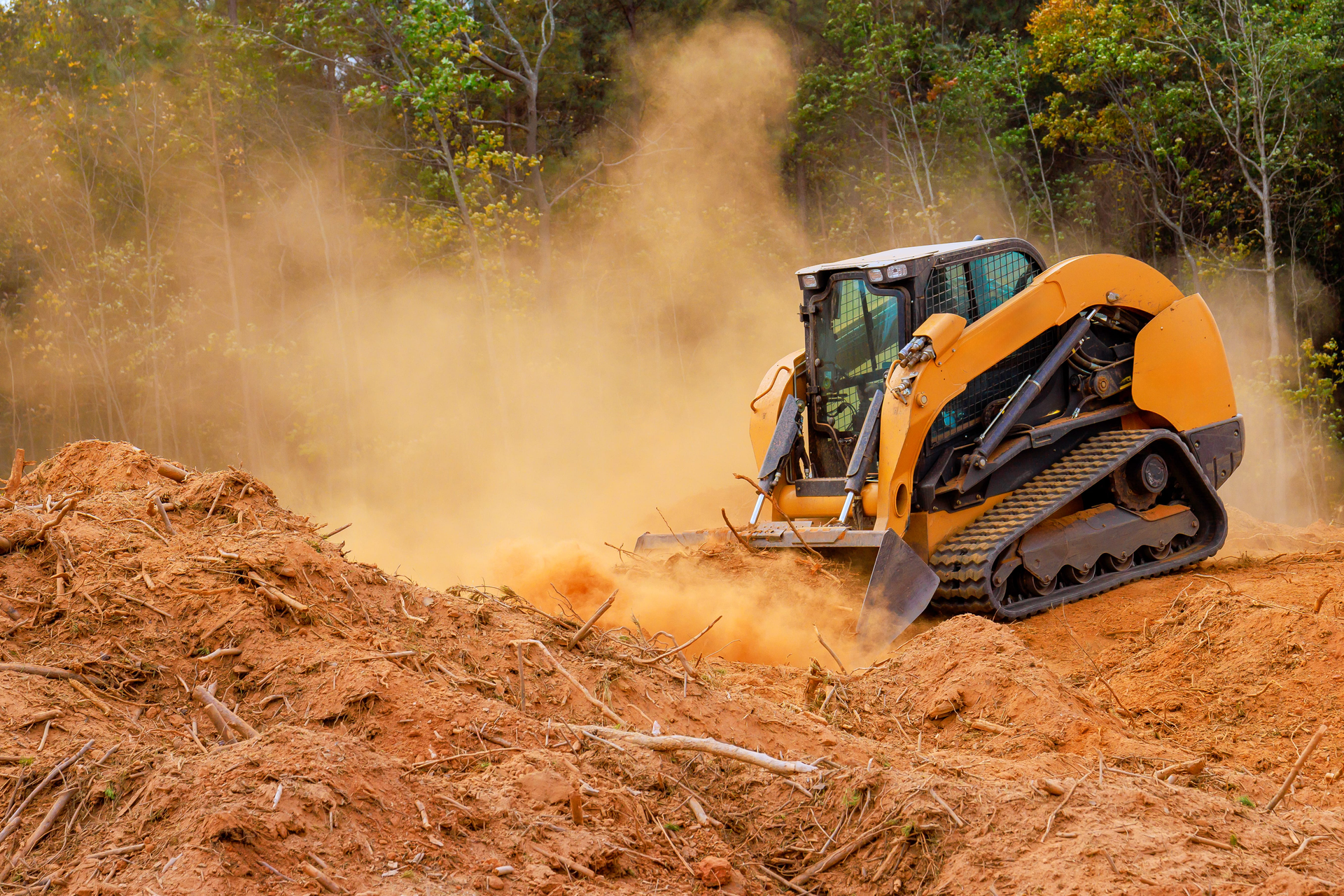
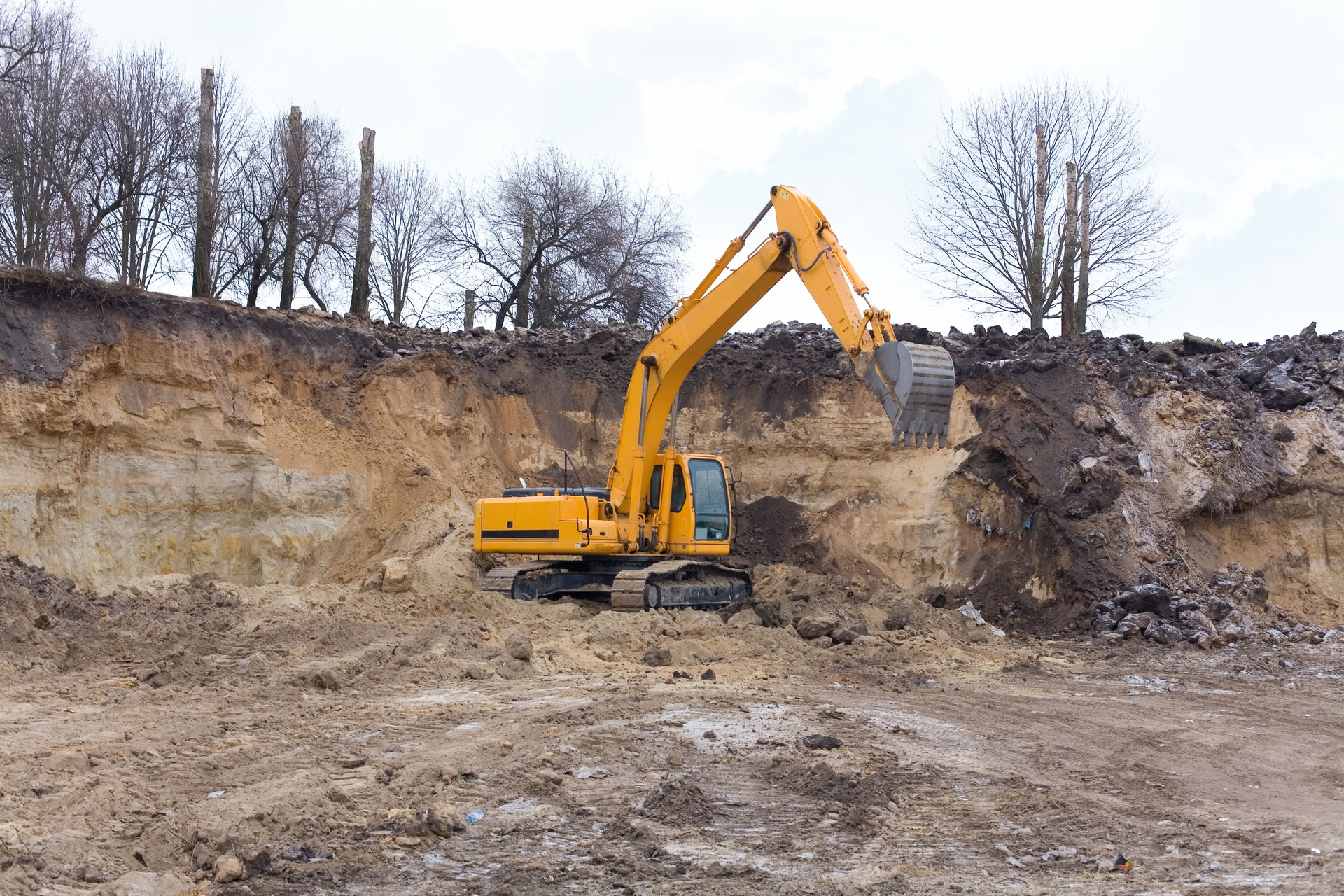
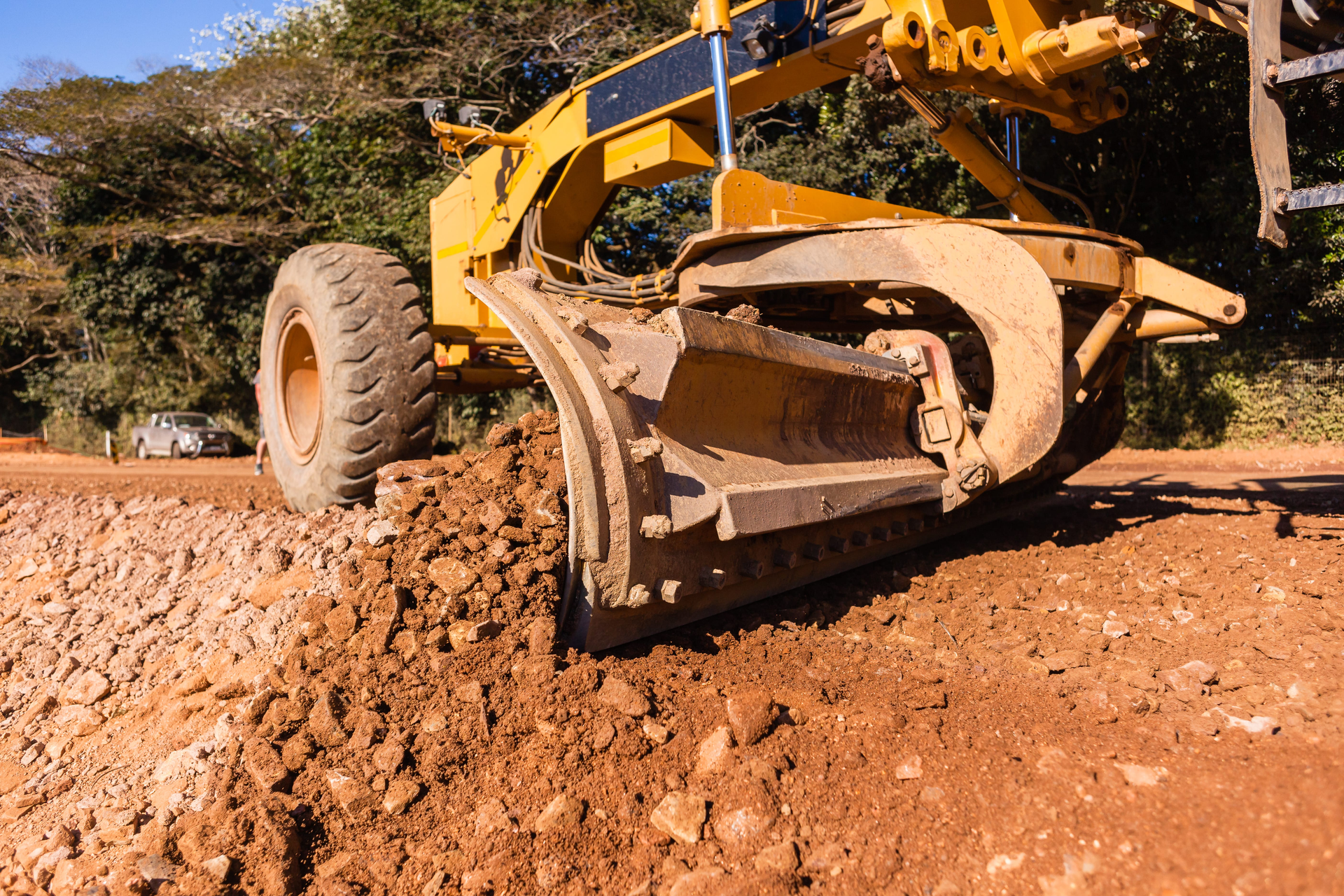

Every Successful Commercial Project Starts With Proper Site Preparation Before a commercial building, warehouse, retail center, office, agricultural facility, or development project can move forward, the property must be prepared to support construction. Commercial site preparation is much more than moving dirt. It involves planning, coordination, drainage, grading, utilities, access, and infrastructure improvements that create a stable foundation for future development. When site preparation is done correctly, construction tends to move more efficiently, with fewer delays and fewer unexpected problems. What Is Commercial Site Preparation? Commercial site preparation is the process of transforming raw or undeveloped land into a construction-ready site. Depending on the project, preparation may involve: Land clearing Excavation Grading Drainage improvements Utility installation Parking lot preparation Access roads Building pad construction Material hauling The exact scope depends on the property's condition and the goals of the development. Step 1: Site Evaluation and Planning Every successful project begins with understanding the property. Key considerations often include: Existing terrain Drainage patterns Access requirements Utility availability Soil conditions Future building locations Parking requirements Expansion opportunities Planning early helps reduce conflicts during construction. Step 2: Land Clearing and Site Cleanup Many commercial projects begin with clearing vegetation and removing obstacles. This phase may include: Tree removal Brush clearing Stump removal Debris cleanup Demolition of existing structures Site cleanup Clearing creates visibility and prepares the property for excavation and grading. Related Service 🠊 Land Clearing Step 3: Excavation and Earthwork Excavation is often one of the largest phases of site preparation. Work may include: Cut and fill operations Site shaping Earthmoving Utility trenching Rough grading Building area preparation The objective is creating a property layout that supports future development. Related Service 🠊 Excavation & Site Prep Step 4: Drainage and Stormwater Planning Water management is critical on commercial properties. Poor drainage can affect: Parking lots Buildings Access roads Utility systems Construction schedules Drainage improvements may include: Culverts Drainage channels Stormwater management Retention areas Erosion control Proper water management protects both the project and the property. Related Service 🠊 Drainage, Culverts & Stormwater Step 5: Grading and Site Stabilization Once earthwork is complete, grading helps establish final elevations and site functionality. Grading supports: Drainage performance Building locations Parking lots Access roads Utility coordination Proper grading creates a site that is easier to build on and maintain. Related Service 🠊 Grading & Leveling Step 6: Utility Preparation Commercial developments often require extensive utility planning. Potential infrastructure may include: Electrical service Water service Sewer connections Septic systems Drainage infrastructure Communication lines Coordinating utilities early helps prevent costly changes later. Related Service 🠊 Trenching, Septic & Utilities Step 7: Building Pads and Construction Areas Before vertical construction begins, building locations must be properly prepared. This may involve: Building pad construction Base preparation Compaction Elevation verification Surface stabilization A properly prepared pad supports long-term structural performance. Related Service 🠊 Building Pads & Concrete Prep Step 8: Parking Lots and Access Areas Many commercial projects also require preparation for: Parking lots Internal roads Equipment access Delivery routes Traffic flow areas These improvements often play an important role in how the completed property functions. Related Service 🠊 Parking Lots & Commercial Prep Common Commercial Site Preparation Mistakes Projects often encounter problems when owners: Delay drainage planning Underestimate utility requirements Ignore future expansion needs Rush grading decisions Focus only on building locations Fail to coordinate project phases Most of these issues can be minimized through proper planning and sequencing. Why Coordination Matters Commercial development projects involve many moving parts. Drainage, grading, utilities, access, excavation, parking, and building preparation all influence one another. When these elements are planned together, projects often move more efficiently and perform better over the long term.
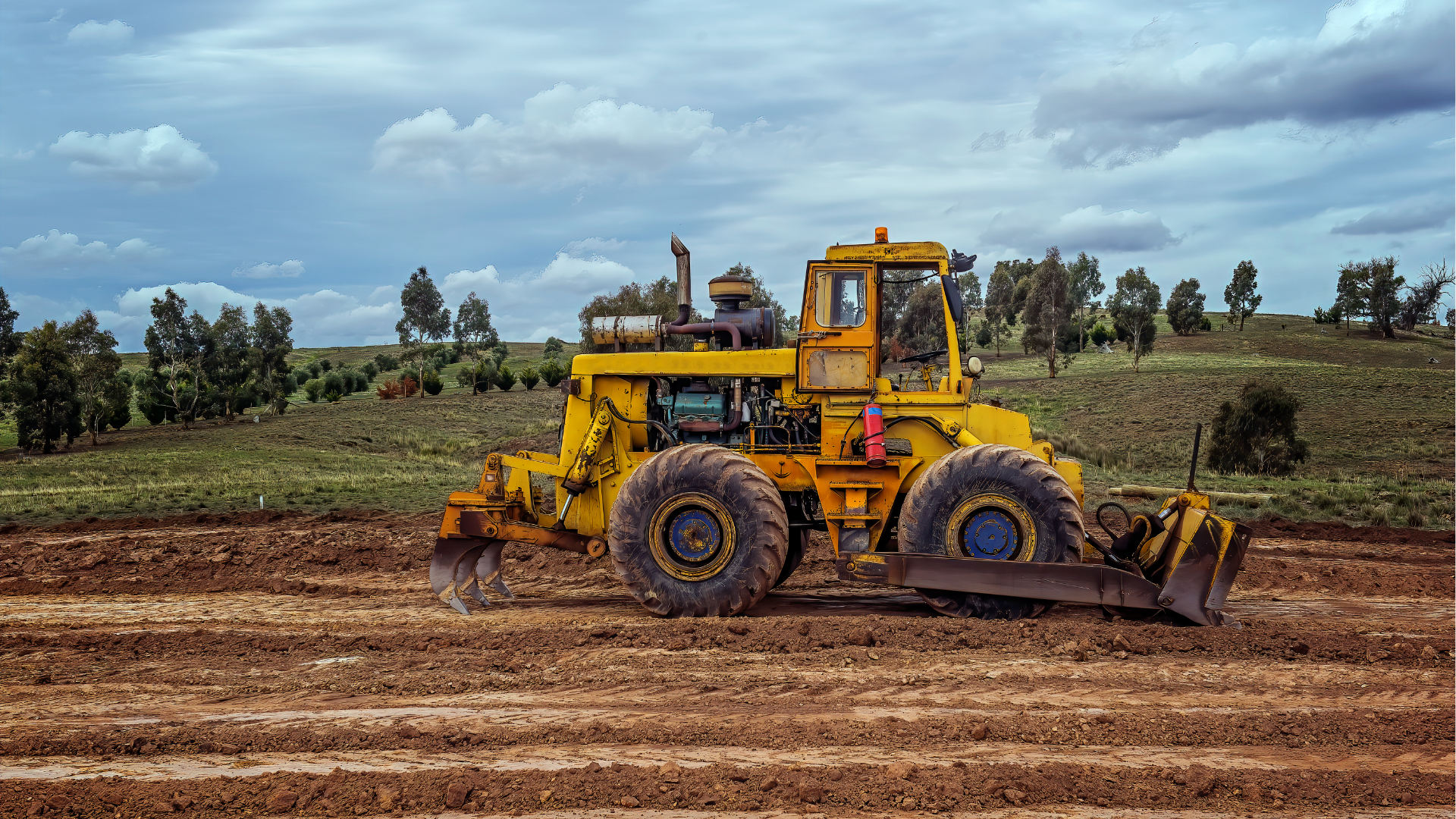
The Order of Work Matters More Than Most Property Owners Realize One of the most common questions property owners ask is: "What should happen first?" Many projects involve several connected services such as land clearing, grading, drainage improvements, access roads, building pads, and excavation. Completing work in the wrong order can lead to unnecessary costs, duplicate work, and long-term property problems. The good news is that most projects follow a logical sequence that helps maximize efficiency and long-term results. Why Project Sequencing Is Important Every improvement affects the next phase of work. For example: Drainage influences grading. Grading affects driveways. Access affects construction. Excavation impacts utilities. Clearing affects all future improvements. When work is completed in the proper order, projects typically move more smoothly and require fewer corrections later. Step 1: Start With Property Evaluation Before any equipment arrives, evaluate the property as a whole. Important considerations include: Water movement Existing access Terrain Vegetation Utility needs Future building locations Long-term goals The most successful projects begin with understanding the property rather than immediately starting work. Step 2: Land Clearing Usually Comes First In most cases, clearing is the first major phase of work. This may include: Brush removal Tree removal Stump removal Debris cleanup Vegetation management Clearing allows contractors and property owners to fully assess the land and prepare for future improvements. Related Service 🠊 Land Clearing Step 3: Evaluate and Address Drainage Many people assume grading should happen immediately after clearing. However, understanding how water moves across the property often comes first. Questions to consider include: Where does runoff collect? Are culverts needed? Are there erosion concerns? Will drainage improvements affect future access? Drainage planning often influences every phase that follows. Related Service 🠊 Drainage, Culverts & Stormwater Step 4: Complete Excavation and Earthwork Once drainage planning is understood, excavation work can begin. This may include: Site shaping Cut and fill operations Utility corridors Earthmoving Rough grading Excavation creates the foundation for future grading and access improvements. Related Service 🠊 Excavation & Site Prep Step 5: Establish Proper Grades After excavation, grading helps create the property's final shape. Proper grading supports: Drainage Building sites Driveways Access roads Property usability Many long-term drainage and access issues can be traced back to poor grading decisions. Related Service 🠊 Grading & Leveling Step 6: Install Driveways and Access Roads Once clearing, drainage, excavation, and grading are addressed, driveway installation becomes far more effective. By this point: Water flow patterns are understood Culverts can be installed correctly Grades are established Access routes can be optimized This helps reduce future maintenance and repair costs. Related Service 🠊 Driveways, Roads & Access When the Sequence May Change Every property is different. Some projects require: Temporary access before clearing Utility work before grading Drainage improvements before excavation Access roads before development The exact sequence depends on the property's conditions and long-term goals. Common Mistakes Property Owners Make Many problems occur when owners: Install driveways before addressing drainage Grade without understanding runoff Clear land without a development plan Ignore future utility needs Treat each service as a separate project These mistakes often lead to unnecessary costs and additional work later. Why Driveway Problems Often Start Earlier Many driveway failures are not caused by the driveway itself. Instead, the root cause may involve: Poor drainage Improper grading Inadequate culverts Runoff concentration Erosion This is why planning earlier project phases correctly is so important. Looking at the Property as a Complete System The most successful projects view the property as a connected system. Clearing, drainage, excavation, grading, utilities, and access all influence one another. When improvements are coordinated together, the property typically performs better and requires less maintenance over time.
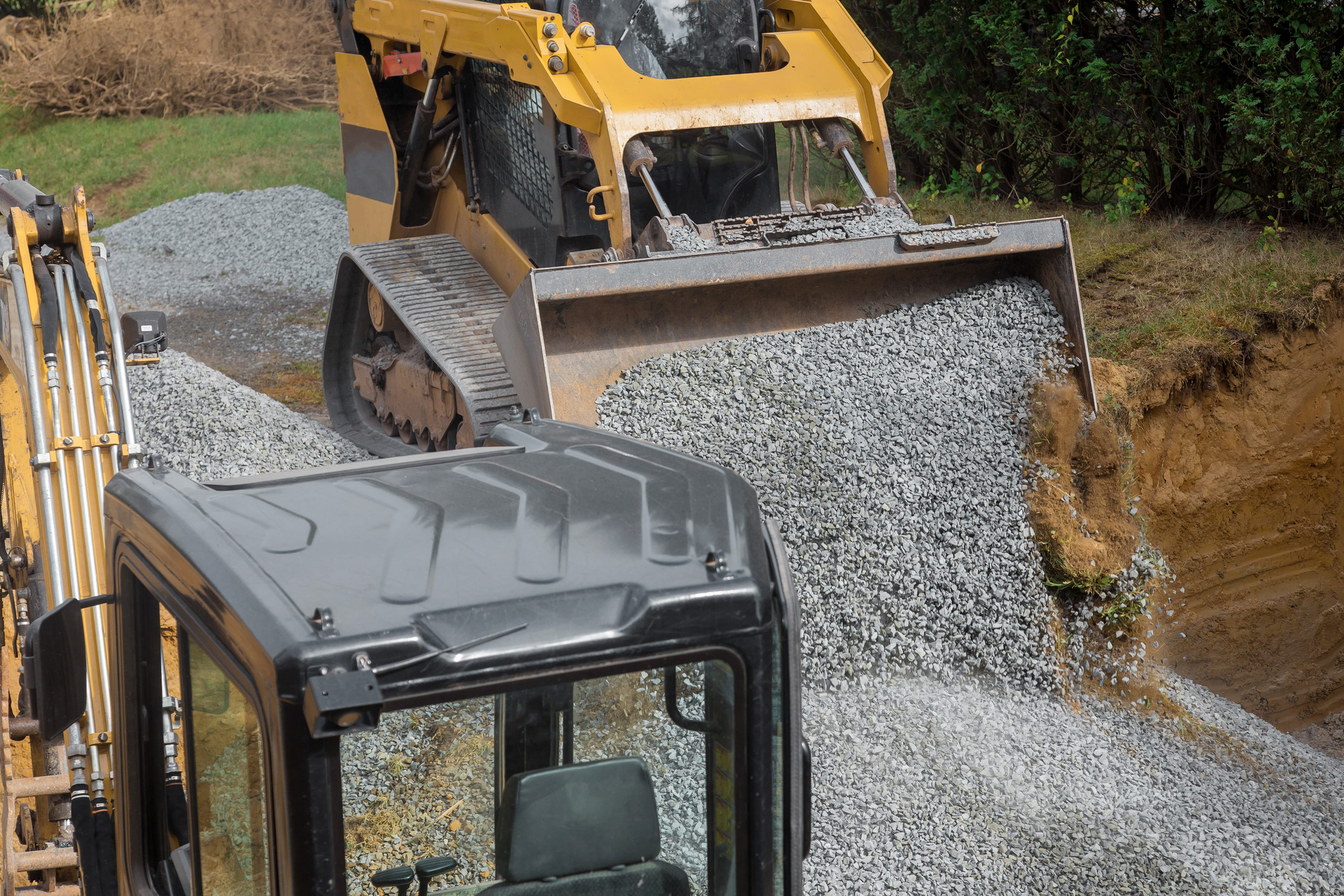
Choosing the Right Driveway Starts With Understanding Your Property One of the most common questions property owners ask is: "Should I install a gravel, asphalt, or concrete driveway?" The answer depends on far more than appearance. Your budget, property conditions, drainage needs, traffic levels, maintenance expectations, and long-term plans all play important roles in determining the best option. Understanding the strengths and limitations of each material can help you make a smarter investment. Why Driveway Material Matters A driveway is more than a path from the road to your property. It affects: Property access Appearance Drainage Maintenance requirements Long-term costs Future improvements The best driveway material is often the one that fits both the property and the owner's goals. Gravel Driveways Advantages of Gravel Gravel remains one of the most popular driveway choices for rural and large-acreage properties. Benefits include: Lower initial cost Faster installation Flexible design options Easy repairs Good for long driveways Suitable for agricultural and rural properties For many property owners, gravel offers an affordable way to establish dependable access. Challenges of Gravel Gravel driveways may require: Periodic grading Additional material over time Maintenance after heavy storms Weed control in some areas Surface reshaping Without proper drainage, gravel can be vulnerable to washouts and rutting. Related Service 🠊 Driveways, Roads & Access Asphalt Driveways Advantages of Asphalt Asphalt provides a smoother finished surface and often creates a more residential appearance. Benefits include: Smooth driving surface Faster snow removal Reduced dust Clean appearance Good durability when properly maintained Many residential properties use asphalt because it balances appearance and performance. Challenges of Asphalt Asphalt may require: Sealcoating Crack repair Surface maintenance Periodic resurfacing Drainage issues can still damage asphalt if water is allowed to collect or flow improperly. Concrete Driveways Advantages of Concrete Concrete is often selected for durability and appearance. Benefits include: Long service life Strong structural performance Clean finished appearance Reduced maintenance compared to some alternatives Suitable for heavy-use areas Concrete is often popular for residential developments and higher-end property improvements. Challenges of Concrete Concrete may involve: Higher initial costs More extensive site preparation Repair challenges if damage occurs Greater importance of proper drainage and base preparation Because concrete is less forgiving than gravel, proper preparation becomes even more important. The Importance of Site Preparation Regardless of the material chosen, the driveway is only as good as the foundation beneath it. Proper preparation often includes: Excavation Grading Drainage planning Base preparation Compaction Access planning Many driveway failures result from poor preparation rather than the surface material itself. Related Service 🠊 Excavation & Site Prep Drainage Is Critical for Every Driveway Type Water is one of the leading causes of driveway damage. Proper drainage may include: Culverts Grading improvements Runoff management Drainage channels Erosion control Even the best driveway material can fail if water is not managed correctly. Related Service 🠊 Drainage, Culverts & Stormwater Which Driveway Is Best for Rural Properties? Many rural property owners choose gravel because: Long driveways are more affordable Repairs are simpler Expansion is easier Agricultural traffic is common However, every property is different. Factors such as traffic volume, budget, maintenance preferences, and future plans should be considered before making a decision. Which Driveway Is Best for Residential Properties? Many residential property owners choose: Asphalt for appearance and practicality Concrete for long-term durability and aesthetics Gravel for affordability and flexibility The right choice depends on the property's goals and conditions. Common Driveway Planning Mistakes Property owners often run into problems when they: Focus only on appearance Ignore drainage planning Skip grading corrections Underestimate maintenance requirements Choose materials before evaluating site conditions A driveway should be designed around how the property functions, not just how it looks.