
Learn More

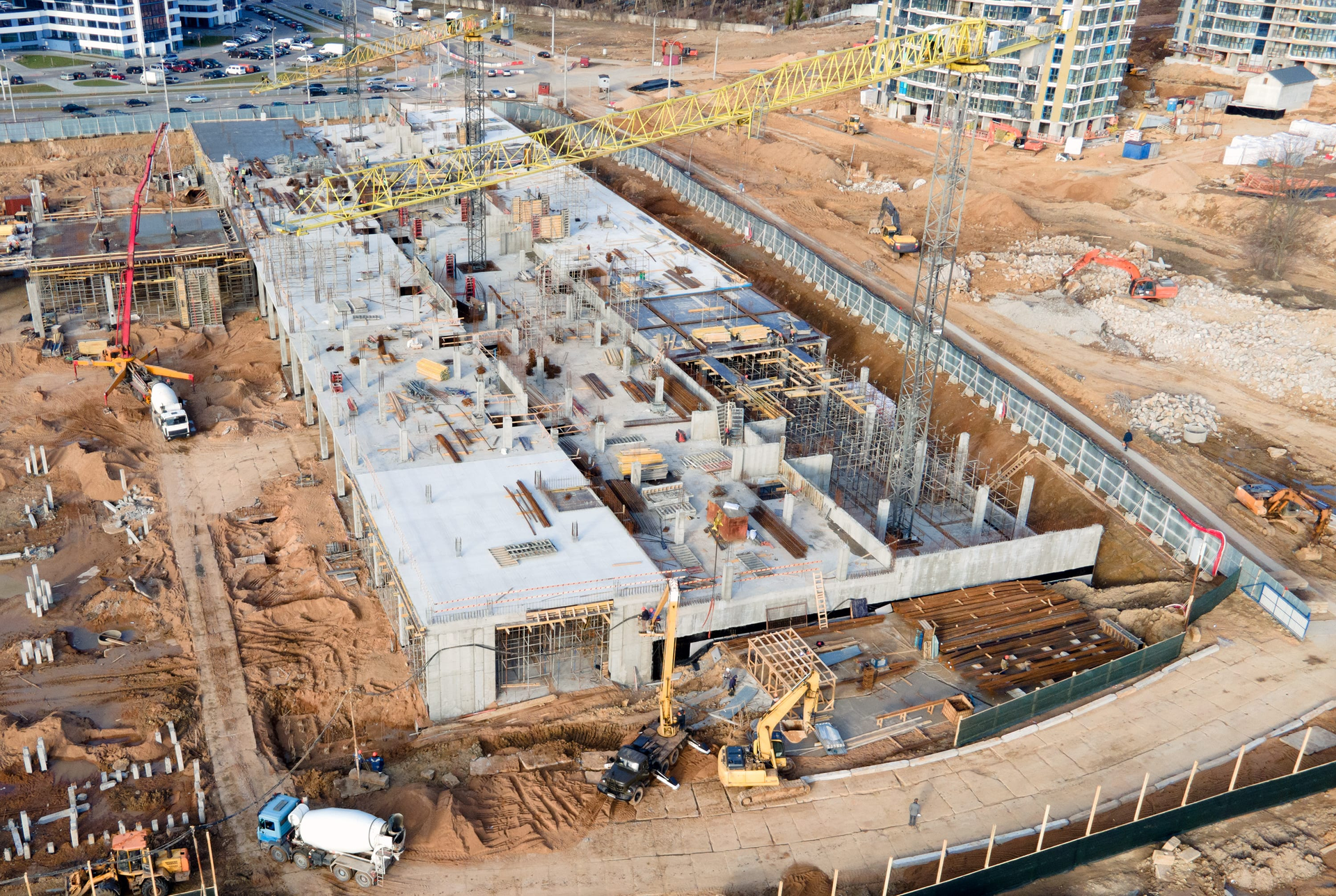
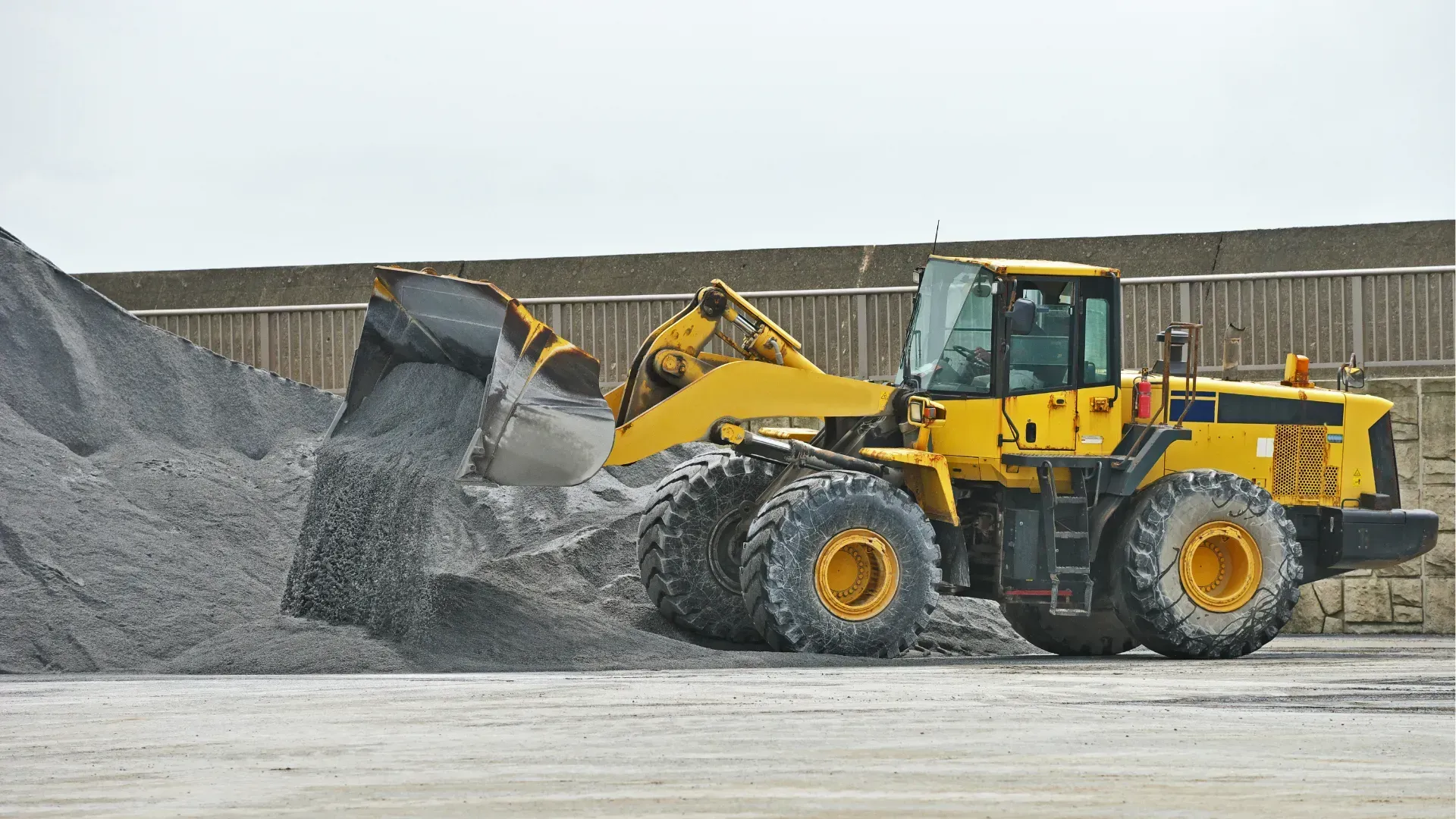
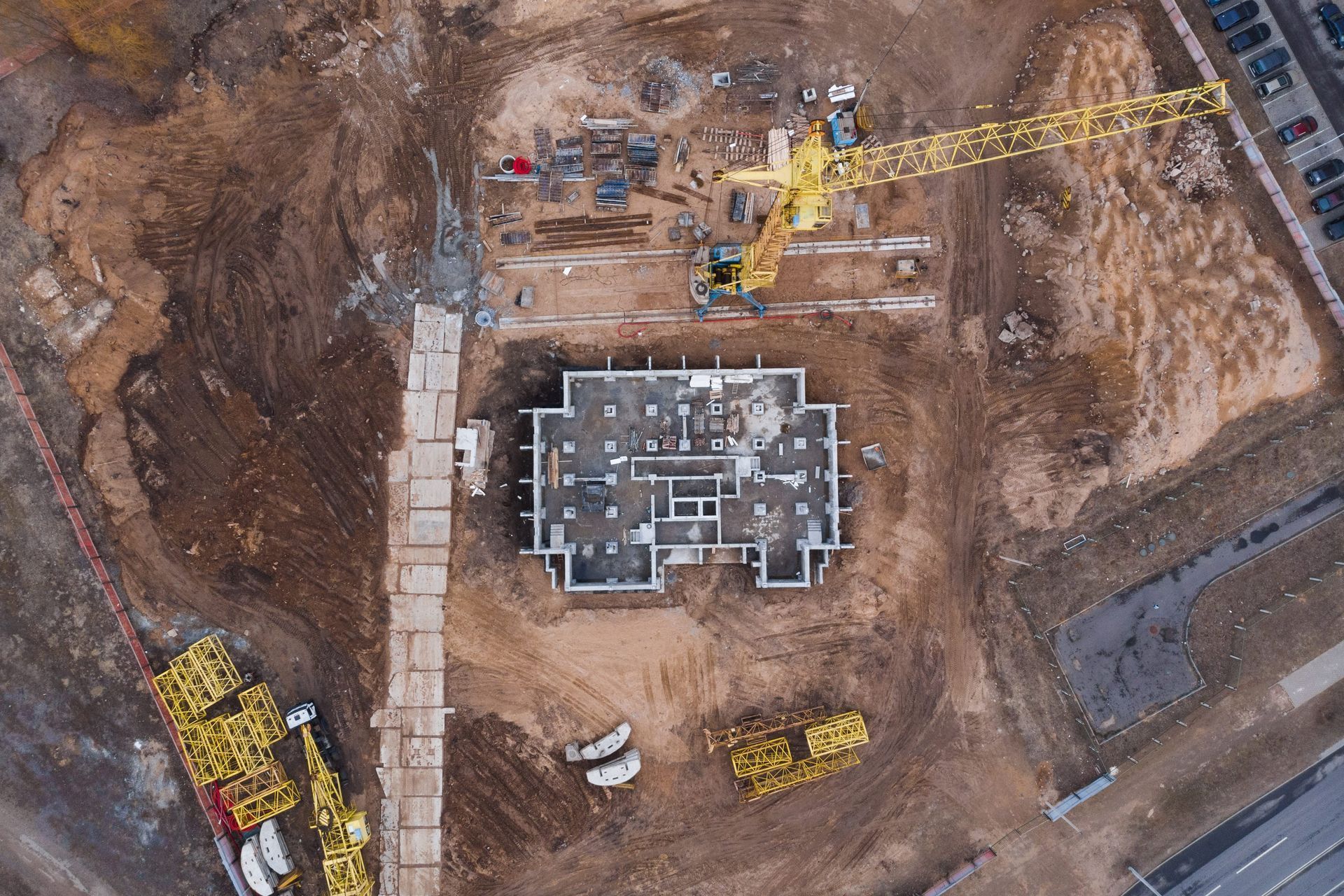
Support construction projects with material delivery and site preparation.
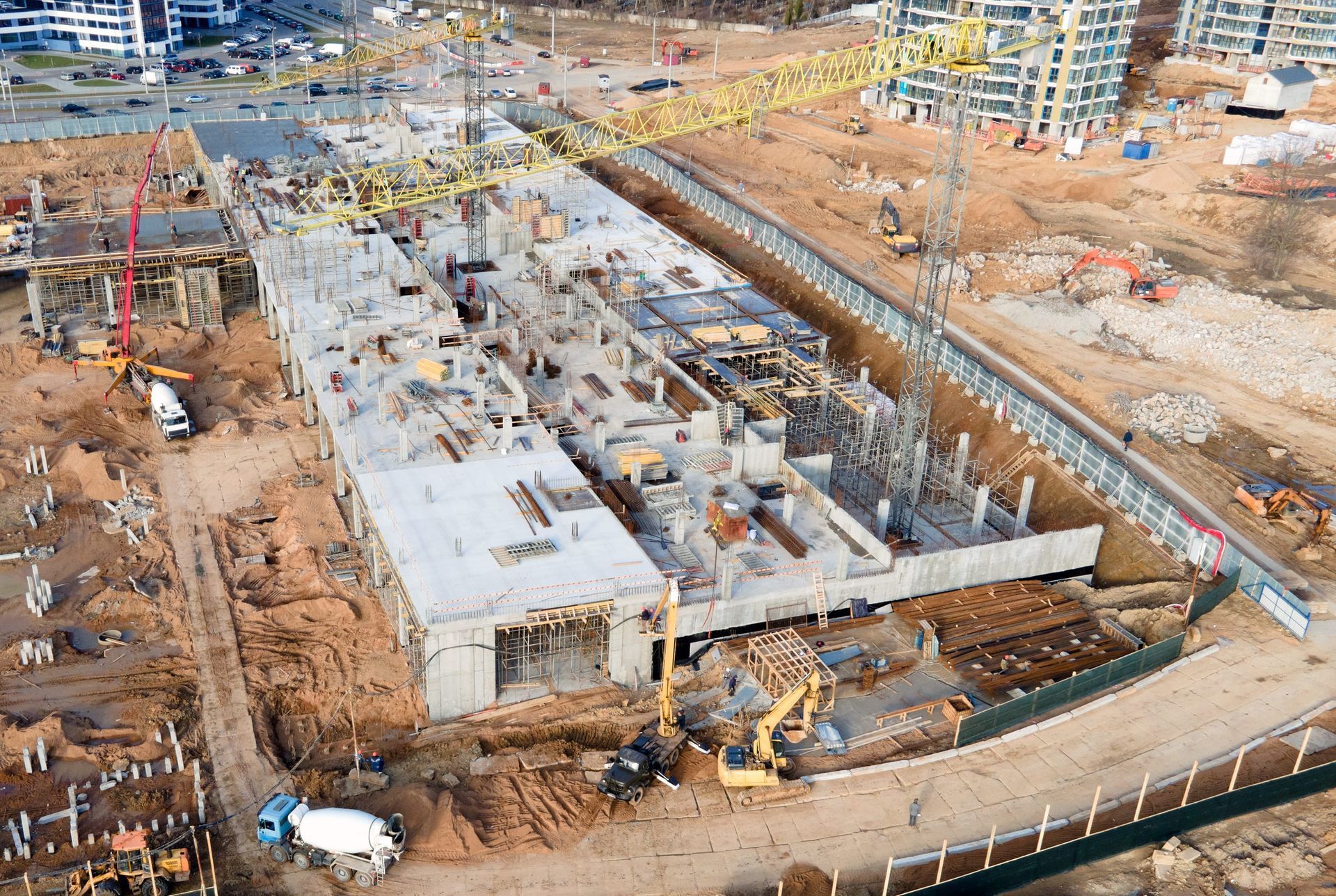
Coordinate materials, excavation, grading, drainage, and site development from start to finish.
Learn More
Full Project Management
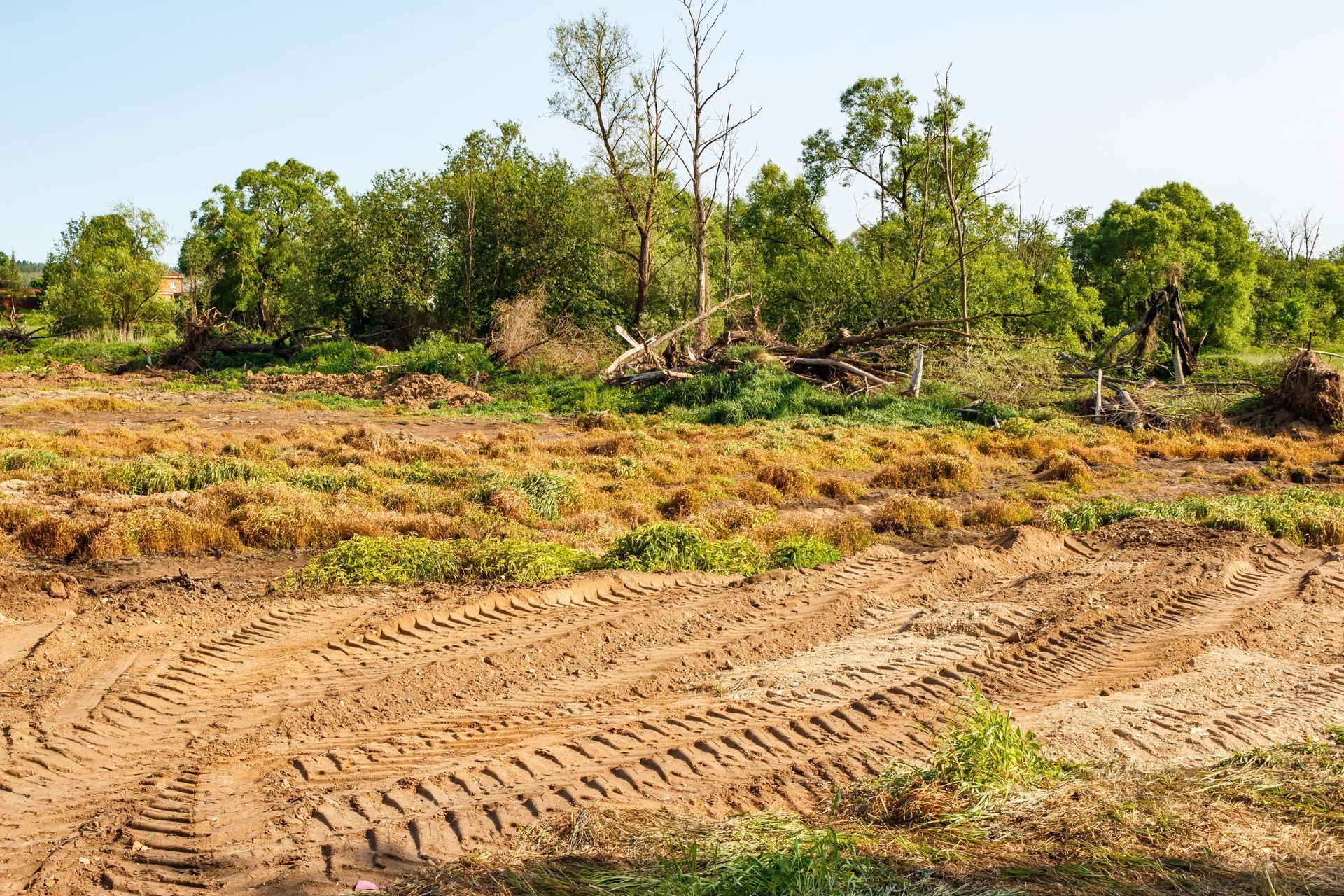
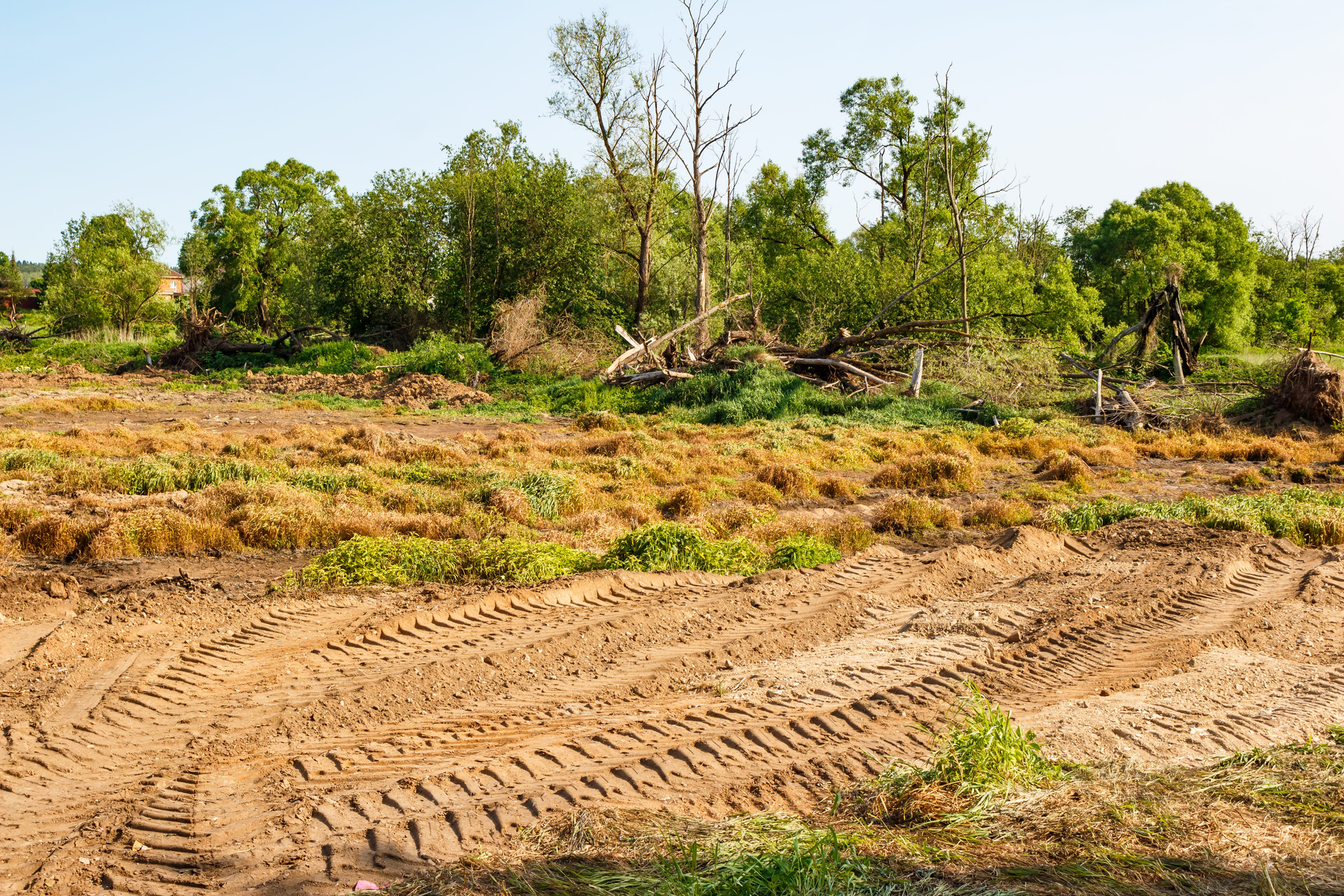
Cleaning Up Overgrown or Unusable Land
Building a Shop, House, Garage, Barn, or Metal Building
Learn More
Remove debris and improve property usability.
Successful Site Development Starts Long Before Construction Begins Many property owners know what they want to build but are unsure how to prepare the property for it. A complete site development project often involves multiple services working together, including land clearing, excavation, grading, drainage, utilities, access roads, building pads, parking areas, and material hauling. The challenge isn't simply completing the work. The challenge is completing the work in the right order. What Is Site Development? Site development is the process of preparing land for its intended use. Depending on the project, that may include: Residential construction Commercial development Agricultural facilities Shops and garages Warehouses Storage buildings Parking areas Future expansion projects The goal is creating a property that functions properly both during and after construction. Start With the End Goal Before any equipment arrives, determine the property's long-term purpose. Questions worth asking include: What will be built? Will future expansion occur? How will vehicles access the site? What utility infrastructure is required? How will water be managed? Are multiple phases planned? The answers help determine how the site should be developed. Step 1: Evaluate the Entire Property The most successful projects begin with a property-wide evaluation. Important considerations include: Existing terrain Water movement Drainage patterns Utility availability Access limitations Soil conditions Vegetation Existing structures Understanding the property early helps prevent costly surprises later. Step 2: Plan Drainage Before Major Construction Water management influences nearly every part of a development project. Drainage planning may include: Culverts Stormwater systems Drainage channels Retention areas Erosion control measures Runoff management Ignoring drainage early often creates larger problems later. Related Service 🠊 Drainage, Culverts & Stormwater Step 3: Establish Access Construction equipment, deliveries, and future traffic all depend on reliable access. Access planning often involves: Driveways Access roads Entrance improvements Culverts Equipment routes Good access supports both construction and long-term property functionality. Related Service 🠊 Driveways, Roads & Access Step 4: Complete Land Clearing If the property contains trees, brush, debris, or unwanted obstacles, clearing typically occurs early in the project. Land clearing may include: Tree removal Brush clearing Stump removal Vegetation management Site cleanup Removing obstacles creates space for development activities. Related Service 🠊 Land Clearing Step 5: Perform Excavation and Earthwork Excavation helps shape the property for future improvements. Work may include: Earthmoving Cut and fill operations Utility corridors Site shaping Rough grading Building area preparation This phase often creates the foundation for everything that follows. Related Service 🠊 Excavation & Site Prep Step 6: Coordinate Utilities Utility planning often affects: Building locations Parking areas Access roads Drainage systems Construction schedules Infrastructure may include: Water service Electrical service Septic systems Sewer connections Communication lines Planning utilities early helps reduce costly modifications later. Related Service 🠊 Trenching, Septic & Utilities Step 7: Establish Final Grades Grading helps determine how the property will function once development is complete. Proper grading supports: Drainage Building pads Parking lots Access routes Future expansion Many long-term site performance issues can be traced back to grading decisions. Related Service 🠊 Grading & Leveling Step 8: Prepare Building Pads and Construction Areas Before construction begins, building locations must be prepared. This often involves: Pad construction Base preparation Compaction Elevation verification Surface stabilization A properly prepared building area helps support long-term structural performance. Related Service 🠊 Building Pads & Concrete Prep Step 9: Complete Parking and Access Improvements Commercial and development projects often require: Parking lot preparation Internal roads Equipment access Traffic flow planning Material staging areas These improvements help ensure the finished property functions efficiently. Related Service 🠊 Parking Lots & Commercial Prep Common Site Development Mistakes Many development projects encounter challenges when owners: Skip drainage planning Delay utility coordination Ignore future expansion needs Rush grading decisions Underestimate access requirements Treat services as separate projects Successful development often depends on understanding how all phases work together. Why Project Sequencing Matters The order in which work is completed can affect: Construction schedules Costs Efficiency Property performance Long-term maintenance requirements A well-planned project typically experiences fewer delays and fewer costly corrections.
Every Successful Commercial Project Starts With Proper Site Preparation Before a commercial building, warehouse, retail center, office, agricultural facility, or development project can move forward, the property must be prepared to support construction. Commercial site preparation is much more than moving dirt. It involves planning, coordination, drainage, grading, utilities, access, and infrastructure improvements that create a stable foundation for future development. When site preparation is done correctly, construction tends to move more efficiently, with fewer delays and fewer unexpected problems. What Is Commercial Site Preparation? Commercial site preparation is the process of transforming raw or undeveloped land into a construction-ready site. Depending on the project, preparation may involve: Land clearing Excavation Grading Drainage improvements Utility installation Parking lot preparation Access roads Building pad construction Material hauling The exact scope depends on the property's condition and the goals of the development. Step 1: Site Evaluation and Planning Every successful project begins with understanding the property. Key considerations often include: Existing terrain Drainage patterns Access requirements Utility availability Soil conditions Future building locations Parking requirements Expansion opportunities Planning early helps reduce conflicts during construction. Step 2: Land Clearing and Site Cleanup Many commercial projects begin with clearing vegetation and removing obstacles. This phase may include: Tree removal Brush clearing Stump removal Debris cleanup Demolition of existing structures Site cleanup Clearing creates visibility and prepares the property for excavation and grading. Related Service 🠊 Land Clearing Step 3: Excavation and Earthwork Excavation is often one of the largest phases of site preparation. Work may include: Cut and fill operations Site shaping Earthmoving Utility trenching Rough grading Building area preparation The objective is creating a property layout that supports future development. Related Service 🠊 Excavation & Site Prep Step 4: Drainage and Stormwater Planning Water management is critical on commercial properties. Poor drainage can affect: Parking lots Buildings Access roads Utility systems Construction schedules Drainage improvements may include: Culverts Drainage channels Stormwater management Retention areas Erosion control Proper water management protects both the project and the property. Related Service 🠊 Drainage, Culverts & Stormwater Step 5: Grading and Site Stabilization Once earthwork is complete, grading helps establish final elevations and site functionality. Grading supports: Drainage performance Building locations Parking lots Access roads Utility coordination Proper grading creates a site that is easier to build on and maintain. Related Service 🠊 Grading & Leveling Step 6: Utility Preparation Commercial developments often require extensive utility planning. Potential infrastructure may include: Electrical service Water service Sewer connections Septic systems Drainage infrastructure Communication lines Coordinating utilities early helps prevent costly changes later. Related Service 🠊 Trenching, Septic & Utilities Step 7: Building Pads and Construction Areas Before vertical construction begins, building locations must be properly prepared. This may involve: Building pad construction Base preparation Compaction Elevation verification Surface stabilization A properly prepared pad supports long-term structural performance. Related Service 🠊 Building Pads & Concrete Prep Step 8: Parking Lots and Access Areas Many commercial projects also require preparation for: Parking lots Internal roads Equipment access Delivery routes Traffic flow areas These improvements often play an important role in how the completed property functions. Related Service 🠊 Parking Lots & Commercial Prep Common Commercial Site Preparation Mistakes Projects often encounter problems when owners: Delay drainage planning Underestimate utility requirements Ignore future expansion needs Rush grading decisions Focus only on building locations Fail to coordinate project phases Most of these issues can be minimized through proper planning and sequencing. Why Coordination Matters Commercial development projects involve many moving parts. Drainage, grading, utilities, access, excavation, parking, and building preparation all influence one another. When these elements are planned together, projects often move more efficiently and perform better over the long term.