Site Preparation & Construction
Drainage & Water Management
Land Improvement & Property Cleanup
Driveways, Roads & Access
Commercial & Development Resources
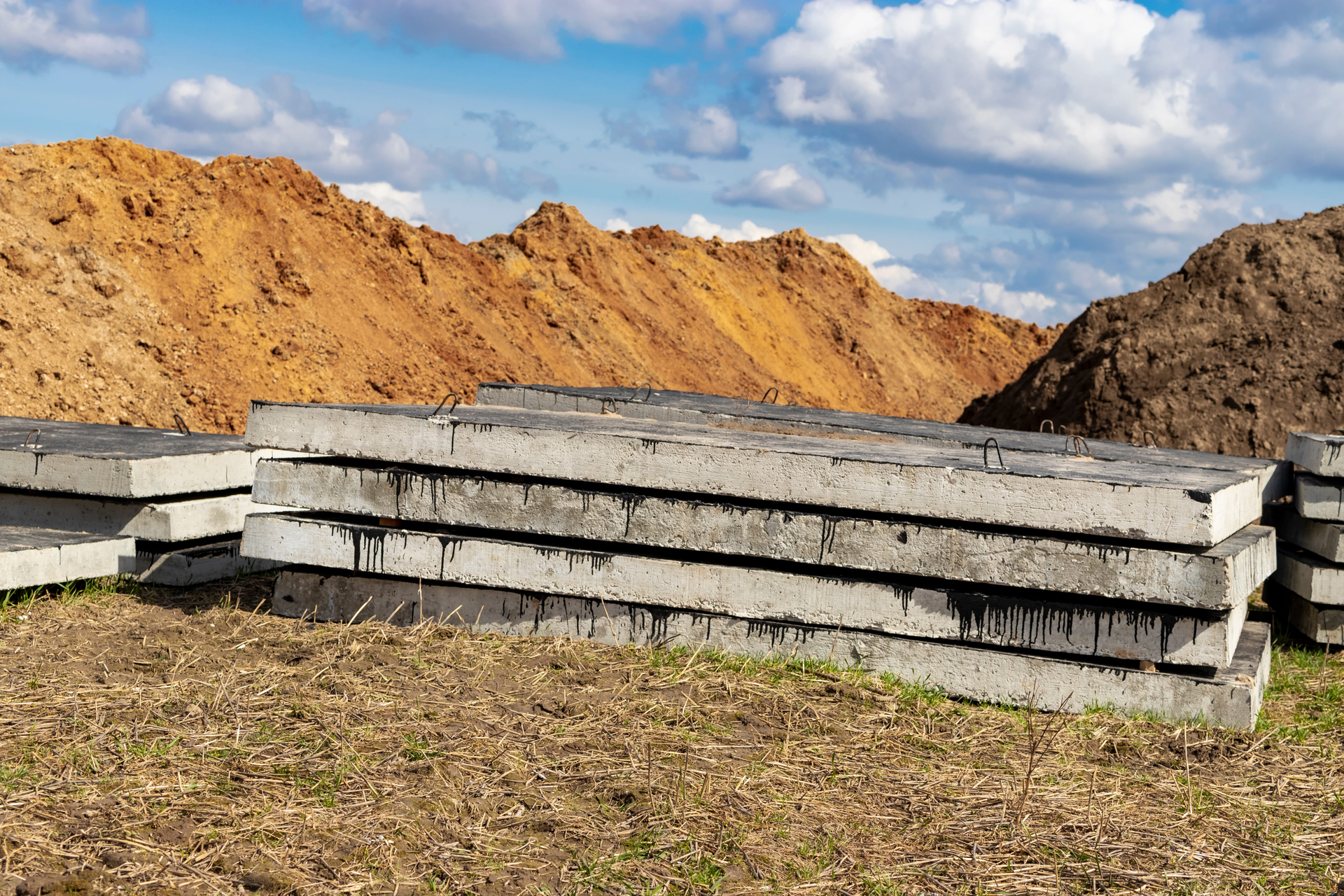
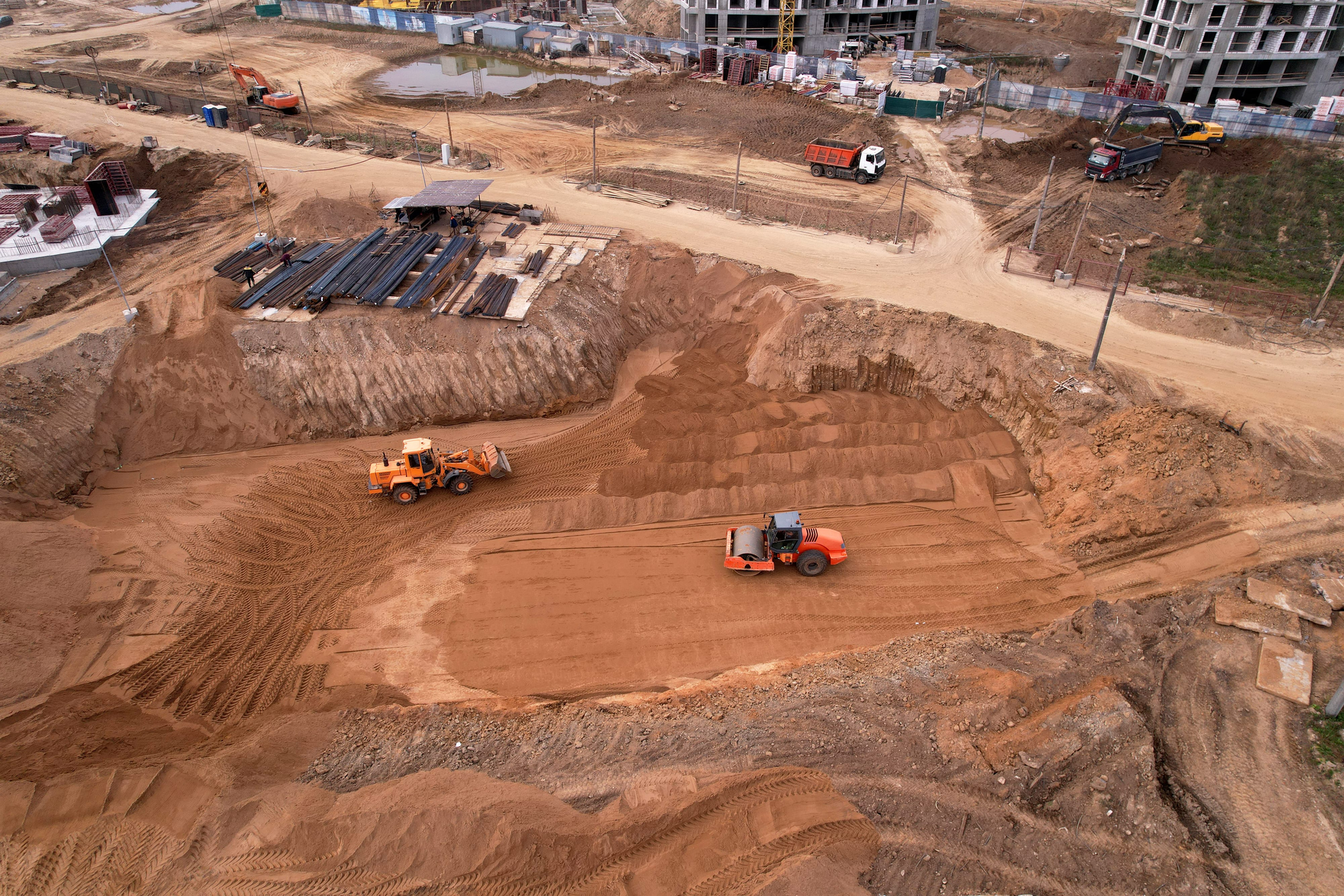
A Strong Building Starts With a Properly Prepared Pad Whether you're building a shop, garage, barn, metal building, equipment shed, or storage structure, the quality of the site preparation underneath the building often determines how well the project performs for years to come. Many structural and drainage problems begin below the surface long before the building is completed. A properly prepared building pad creates stability, improves drainage, supports construction, and helps protect your investment. Why Building Pad Preparation Matters A building pad does far more than provide a flat place to build. A properly prepared pad helps support: Long-term structural stability Drainage performance Foundation support Construction efficiency Utility planning Future property improvements Taking shortcuts during site preparation can create expensive issues later. Building Pad Preparation Checklist Evaluate the Entire Property First Before focusing on the building location, evaluate the surrounding property. Important questions include: How does water move across the property? Are there drainage concerns nearby? Will additional structures be added later? Are utilities available? Is access adequate for equipment? Will future expansion require additional grading? The building pad should work with the property rather than against it. Plan Access Before Construction Begins Construction equipment, concrete trucks, and material deliveries all need reliable access. Consider: Existing driveways Temporary construction routes Equipment movement Delivery access Future driveway placement Access limitations often create delays that could have been avoided with proper planning. Related Service 🠊 Driveways, Roads & Access Address Drainage Before Building Water management should always be considered before the building pad is finalized. Drainage planning may include: Surface grading Swales Culverts Drainage channels Runoff control Stormwater planning The goal is preventing water from collecting around the future structure. Related Service 🠊 Drainage, Culverts & Stormwater Complete Necessary Excavation Many building sites require excavation before pad construction begins. This may include: Removing unsuitable soil Cut and fill work Site shaping Elevation adjustments Soil preparation Proper excavation creates the foundation for everything that follows. Related Service 🠊 Excavation & Site Prep Establish Proper Grades Grading plays a major role in how the property functions after construction. Proper grading helps: Direct water away from structures Improve access Reduce erosion concerns Improve property usability Support future improvements Many drainage problems originate from grading mistakes made during site preparation. Related Service 🠊 Grading & Leveling Verify Pad Elevation The final elevation of the building pad should account for: Drainage patterns Access requirements Future landscaping Utility locations Construction plans Surrounding grades Elevation planning helps avoid future drainage and usability issues. Ensure Proper Compaction Compaction helps create a stable base beneath the structure. Poor compaction can contribute to: Settlement Surface movement Uneven performance Foundation concerns The objective is creating a solid, dependable foundation before construction begins. Plan Utilities Before Concrete Is Poured Utilities should be planned before final pad construction whenever possible. This may include: Water service Electrical service Septic preparation Drainage lines Communication infrastructure Planning early helps reduce costly changes later. Related Service 🠊 Trenching, Septic & Utilities Think About Future Expansion Many property owners eventually add: Additional garages Equipment sheds Storage buildings Shops Parking areas Access roads Considering future growth now can save time and money later. Common Building Pad Mistakes Property owners often run into problems when they: Ignore drainage planning Skip grading corrections Delay utility planning Rush compaction Focus only on the building footprint Underestimate access requirements Fail to plan for future expansion Most of these issues can be avoided through proper site preparation. Final Thoughts A building is only as good as the foundation beneath it. By properly evaluating the property, planning drainage, establishing access, coordinating utilities, and preparing a stable pad, property owners create a stronger foundation for long-term success. Investing time in preparation often prevents expensive problems later.
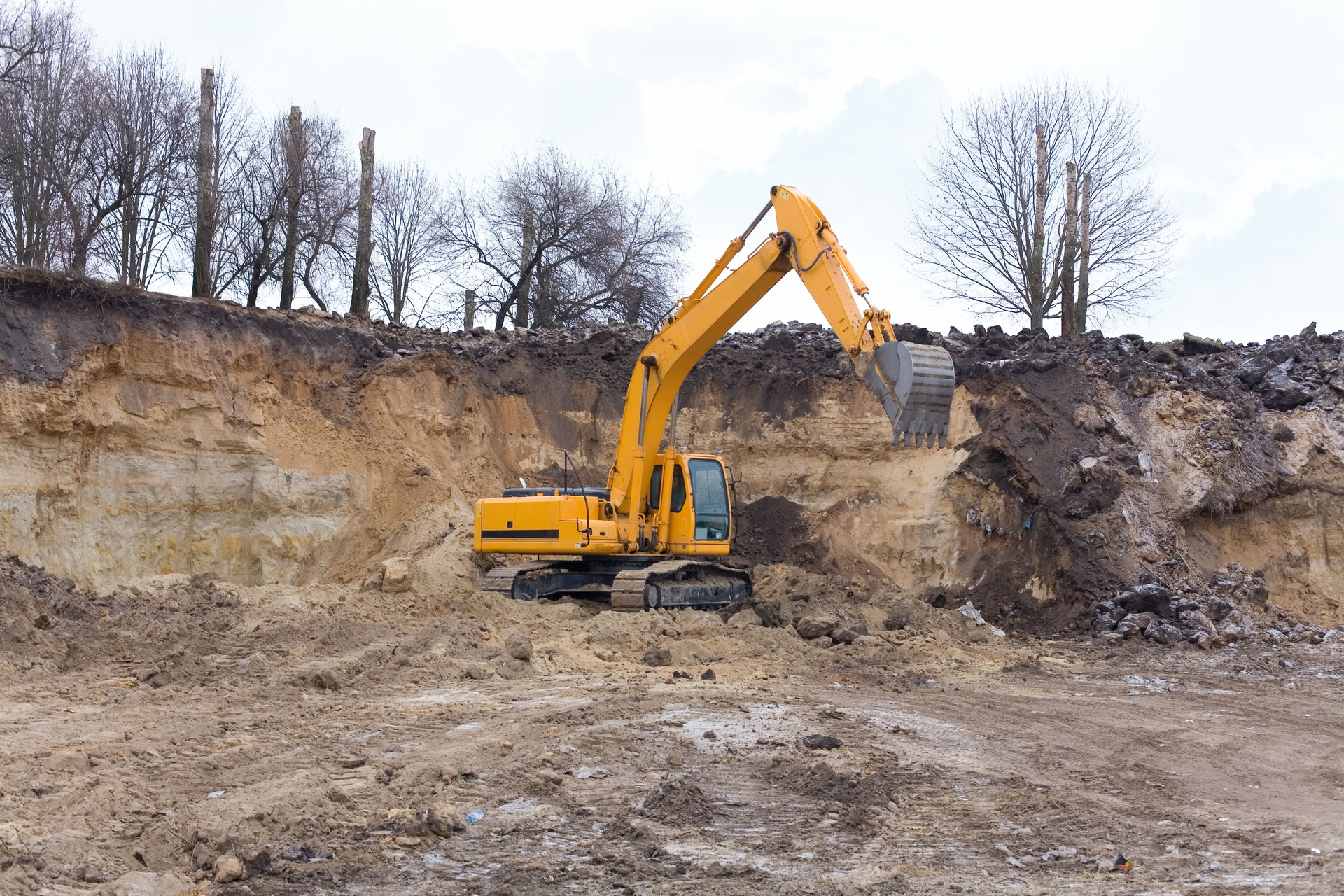
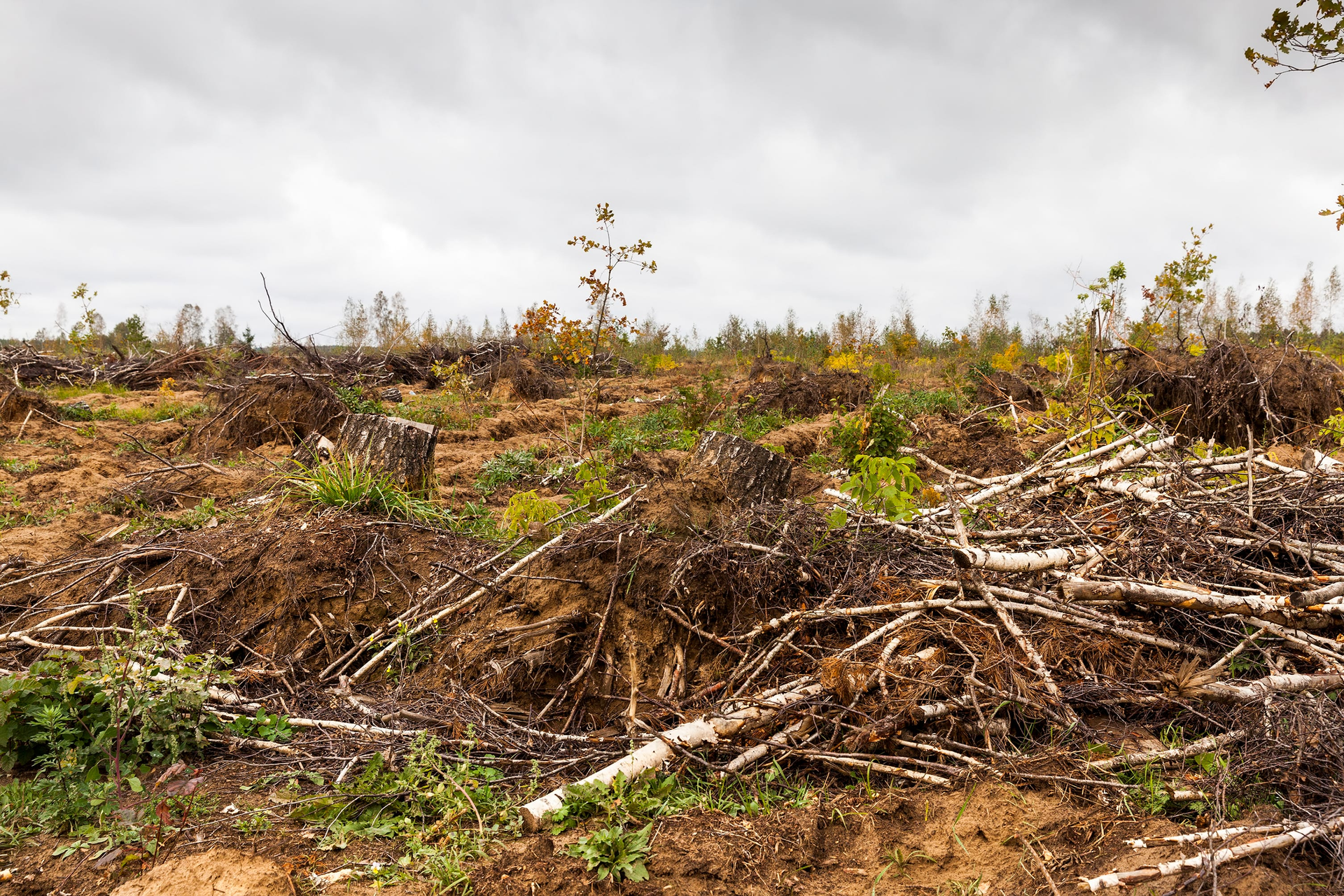
Preparing Land Correctly Can Save Time, Money, and Headaches Later Many construction problems begin long before concrete is poured or a building is erected. Poor drainage, unstable building pads, utility conflicts, access issues, and improper grading can create expensive delays that impact the entire project. Whether you're building a home, shop, garage, barn, metal building, or commercial structure, proper site preparation creates the foundation for everything that follows. Why Site Preparation Matters A successful construction project starts with a property that is properly prepared. Good site preparation helps: Improve drainage performance Reduce future erosion concerns Create stable building conditions Improve access for construction crews Support utility installation Reduce costly project delays Improve long-term property usability Skipping preparation often leads to problems that are much more expensive to fix later. Step 1: Evaluate the Entire Property One of the most common mistakes property owners make is focusing only on the location where the building will sit. The entire property matters. Questions worth asking include: How does water move across the property? Where does runoff collect? Are there drainage concerns nearby? Is equipment access adequate? Are utilities available? Will future expansion be needed? Does vegetation need to be removed? Are there elevation changes that affect development? Looking at the property as a complete system often creates better results. Step 2: Address Land Clearing Needs Many construction projects begin with land clearing. Depending on the property, this may involve: Tree removal Brush clearing Vegetation removal Stump removal Debris cleanup Obstacle removal Removing these barriers allows excavation and grading work to move forward more efficiently. Related Service 🠊 Land Clearing Step 3: Plan Drainage Before Construction Water is one of the most overlooked factors in construction planning. Without proper drainage planning, water can create long-term issues involving: Foundations Driveways Access roads Erosion Building pads Property usability Drainage planning may include: Grading adjustments Drainage channels Culverts Runoff control Stormwater management The goal is directing water away from structures and improving overall property performance. Related Service 🠊 Drainage, Culverts & Stormwater Step 4: Evaluate Access Requirements Construction requires equipment, deliveries, materials, and contractors to reach the site. Access planning should consider: Existing driveways Temporary construction access Equipment movement Delivery routes Future driveway locations Culvert requirements Access limitations can significantly impact construction timelines. Related Service 🠊 Driveways, Roads & Access Step 5: Complete Excavation and Site Preparation Once planning is complete, excavation work can begin. This phase may include: Earthmoving Cut and fill operations Rough grading Site shaping Utility preparation Drainage improvements The objective is preparing the property for future construction and long-term use. Related Service 🠊 Excavation & Site Prep Step 6: Establish Proper Grades Grading affects nearly every part of the finished project. Proper grading helps: Improve drainage Reduce erosion Support building pads Improve access Increase usability Many future property problems can be traced back to grading decisions made during site preparation. Related Service 🠊 Grading & Leveling Step 7: Prepare the Building Pad The building pad is one of the most important parts of site preparation. A properly prepared pad should consider: Elevation Drainage Compaction Soil conditions Foundation requirements Future water flow Taking shortcuts during pad preparation often creates costly problems later. Related Service 🠊 Building Pads & Concrete Prep Step 8: Plan Utilities Early Utility planning frequently affects: Excavation routes Grading plans Building locations Septic systems Water service Electrical service Drainage systems Planning utilities early helps reduce conflicts and costly modifications later. Related Service 🠊 Trenching, Septic & Utilities Common Site Preparation Mistakes Property owners often run into problems when they: Ignore drainage planning Delay utility planning Focus only on the building footprint Skip grading corrections Underestimate access needs Rush building pad preparation Fail to evaluate the entire property Most of these problems can be avoided through proper planning. Final Thoughts The most successful construction projects begin long before construction crews arrive. By evaluating the property, planning drainage, establishing access, coordinating utilities, completing excavation, and preparing a proper building pad, property owners create a stronger foundation for long-term success. A little planning early often prevents major problems later.